Product Photography for Plants & Garden
Plant and garden product photography sells the promise of a living thing thriving. Whether the product is a potted plant, a propagation cutting, seeds, or a gardening tool, the buyer is imagining what it will become in their care — a full, healthy plant filling a corner of their home, a thriving garden bed, a productive vegetable patch. The photography's job is to make that future state feel achievable and desirable.
This category has one non-negotiable technical requirement: the plant must look healthy. Yellow leaves, drooping stems, dusty foliage, or poor color reproduction all undermine the product's core claim. Before any other decision about lighting, background, or styling, the plant itself must be in excellent condition.
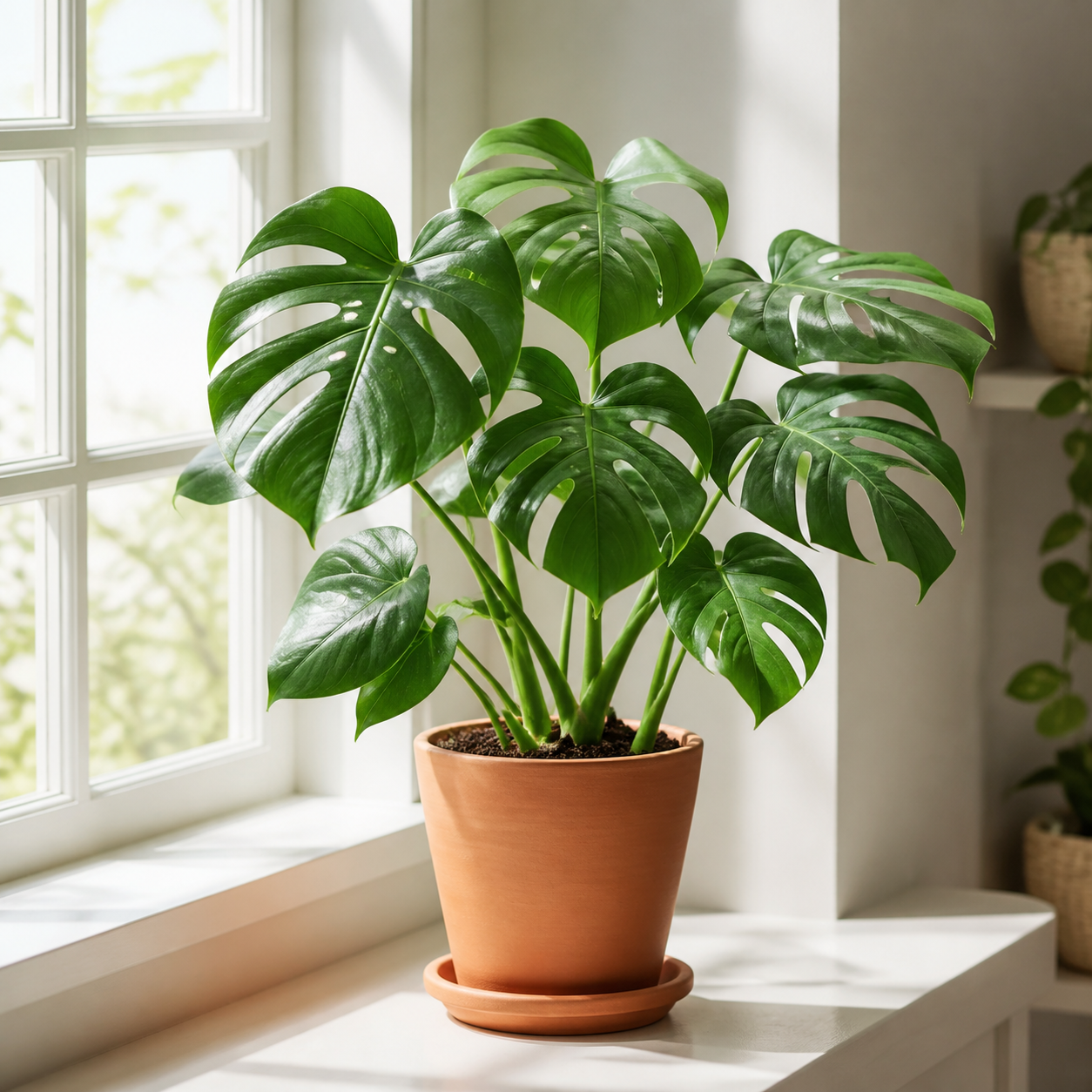
6 tips for plants & garden product photography
Shoot in bright, natural daylight without direct sun
Natural daylight is the gold standard for plant photography — it keeps foliage colors accurate, makes plants look genuinely healthy, and mimics the conditions plants actually thrive in. Direct sun creates harsh shadows and bleached hot spots. North-facing window light or outdoor overcast light gives the soft, even brightness that makes foliage look its best.
Always show the plant at its best
Photograph after watering when leaves are turgid and full. Remove any yellow, brown, or damaged leaves. Wipe dust from large-leaf plants with a damp cloth. Check for pests and remove any visible. The plant's health is the product — a stressed-looking plant is a direct statement that this product cannot thrive.
Show growth context and mature size
Plant buyers want to know what they're getting now and what it will become. Include one shot of the plant as received (its current size) and one reference image showing a mature specimen. This sets accurate expectations and reduces 'smaller than expected' returns, which are the most common complaint in the plant category.
Use terracotta and natural pots as props
Terracotta pots, woven baskets, ceramic planters, and natural fiber mats reinforce the organic story of plants. Plastic nursery pots as the only vessel in a photo read as a product that hasn't been curated — even if the plant itself is excellent. A terracotta pot or attractive ceramic planter adds significant perceived value.
Include a scale reference that buyers will trust
Plant sizes are notoriously hard to judge from photographs. Include a hand, a ruler, or a familiar household object beside the plant. For trailing plants, show the full trailing length. For tree-form plants, include the pot height and main stem height in the listing description and photograph the ruler beside the plant.
Photograph against light-colored walls or surfaces
White, cream, and light grey walls let green foliage stand out clearly and keep the focus on the plant. Outdoor shooting against an open sky creates a clean, airy background that photographs beautifully and costs nothing. Dark backgrounds can work dramatically for architectural plants but hide detail in most common foliage.
Equipment and setup for plants & garden photography
Camera: 35-50mm lens for natural perspective on plants in space. Lighting: north-facing window light or outdoor overcast — avoid flash entirely (it kills the natural quality and makes leaves look plastic). Backgrounds: white walls, light-colored fabric, outdoor sky. A clean spray bottle for misting foliage to add freshness just before shooting.
Common mistakes to avoid
- Indoor artificial light only — it almost always makes plant photography look yellowish and artificial. Natural light is nearly always better for accurate foliage color.
- Visible plant stress — a single yellow leaf or drooping stem communicates that this plant cannot thrive. Remove all stress indicators without exception before shooting.
- No scale reference — plant size is the most common source of 'not as described' complaints in the entire category. Always provide a scale context.
Styles that work for plants & garden
In noprompt.design, start with: Natural Light Window, Clean White Studio, Warm Minimalist. Each style is pre-tuned for this product category — no settings to adjust.
Try it free — upload your plants & garden product now
Frequently asked questions
What's the best light for plant photography?
Bright, indirect natural daylight — from a large north or east-facing window, or outdoors on an overcast day. It keeps foliage colors accurate (true green, not yellow-shifted), makes the plant look genuinely healthy, and mimics the light plants actually grow in. Avoid direct sun (harsh shadows, bleached leaves) and indoor tungsten light (yellow cast that makes plants look sick).
How do I make plants look healthy in photos?
Start with a genuinely healthy plant — this is not a problem you can solve with lighting. Water the plant a few hours before shooting so leaves are turgid and full. Remove any yellow, brown, or damaged leaves. Wipe dust from large leaves with a damp cloth. A healthy plant in good natural light looks healthy. There is no photographic shortcut.
What background works for plant photography?
White and cream walls are the most versatile — they let green foliage stand out clearly without distraction. For outdoor shooting, a clear sky or a green garden background both work well. Earthy, natural surfaces (wood, terracotta) work as foreground elements. Avoid busy or patterned backgrounds that compete with complex foliage patterns.
How do I photograph trailing plants to show their length?
Hang the plant from a hook or shelf edge so it trails naturally downward, and photograph it in full from a slight distance. Include a ruler beside the trailing stems in at least one image. List the trailing length in the description — buyers of trailing plants specifically seek long specimens and the length is a primary purchase criterion.
Can I take professional plant photos without a camera?
Yes — plants are one of the easiest categories to shoot with a phone because they want the same soft natural light a phone handles well. Water the plant a few hours before shooting so leaves are turgid, wipe dust off large leaves, and remove any yellow or damaged ones. Stand the plant on a clean white or light surface near a large window, but out of direct sun, and use a sheet of white card just out of frame to fill the shadow side so the foliage stays bright without going yellow. Tap to meter on a mid-green leaf rather than the brightest highlight so the greens don't blow out. For consistent catalog shots — clean backgrounds, accurate foliage color and honest scale on every SKU — AI product photography tools like noprompt.design turn an ordinary phone photo of a plant into a professional product image without writing a single prompt.
How do I photograph plants for an online plant shop?
Plant buyers shop on trust and size, so give them both: lead with a clean hero shot of the plant in a decent pot on a consistent light background, add a 45-degree shot that shows overall shape and fullness, and include a scale shot — a hand, a ruler or a familiar object — because size anxiety is the most common reason plant shoppers hesitate. Show one image of the plant as it ships (current size) and keep the listing honest about what will arrive versus what it may become. Etsy and handmade plant sellers expect an honest, natural look with a consistent styling story and a terracotta or ceramic pot rather than a nursery pot; Amazon listings need the plant on a clean white background with foliage color accurate (true green, not yellow-shifted); and a Shopify or DTC plant store should keep one background and pot style across every SKU so the catalog reads as a brand rather than a reseller.
How do I edit plant product photos to look professional?
Edit for accuracy before polish — foliage color is the one thing buyers judge and the easiest to ruin. Set white balance so greens read as true green rather than yellow-shifted or blue-tinted, and resist the urge to push saturation: over-saturated foliage looks artificial and makes a real plant look like a fake one. Remove dust spots and any stray glare on leaves or glossy pots, clone out any visible reflection of the camera or room, and keep backgrounds clean and consistent across the whole listing. Don't over-brighten: leaves blown out to flat white lose the texture that signals a healthy plant, and soft, even exposure on the foliage is what makes a plant look like it is genuinely thriving.
Related deep-dive: Best lighting for product photography at home — natural window light keeps foliage colour true.