Product Photography for Beauty & Cosmetics
Beauty product photography balances clinical precision with aspirational warmth. Skincare buyers make decisions based on two things: how trustworthy the brand looks and whether the product looks like it will actually work. A cleanser that photographs harsh and clinical fails the first test; a cream that photographs soft and luxurious passes both.
The category is intensely competitive — every indie skincare label needs great photography. What separates good from great is texture, tone, and consistency. Creams need to look rich. Serums need to look active. Glass bottles need to glow. And every piece of packaging needs to be legible, because skincare buyers read the label before they buy.
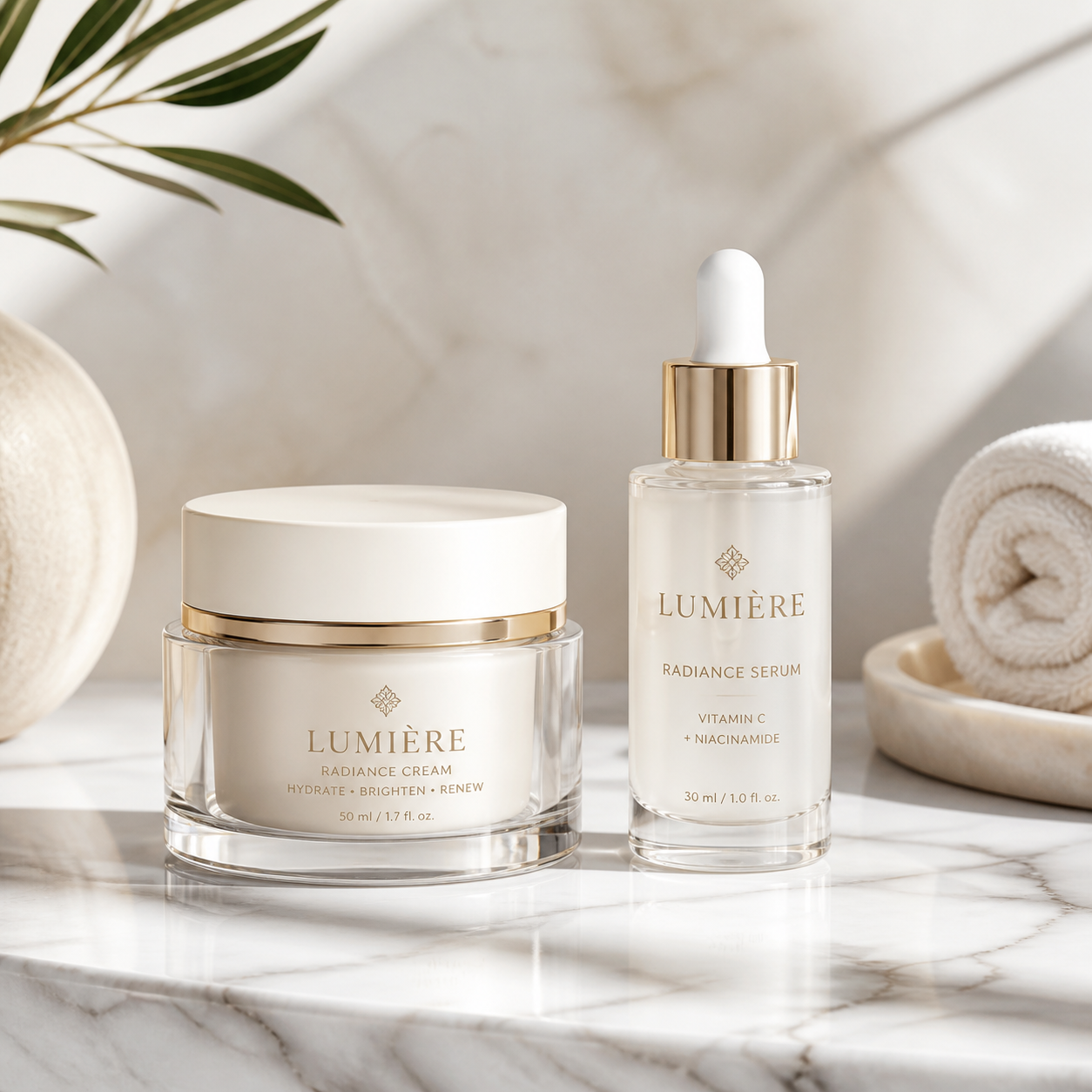
6 tips for beauty & cosmetics product photography
Match light quality to the brand's promise
A 'clean beauty' brand needs soft, airy, diffused light — anything harsh contradicts the purity message. A clinical skincare line can use crisper, more directional light that signals precision and efficacy. Before shooting, identify the brand promise and ensure the light quality reinforces rather than contradicts it.
Show texture with a product sample
A dab of cream or serum beside the bottle communicates feel without opening the product. Buyers want to understand texture — is it gel, cream, oil, thick, lightweight? A small sample shot beside the hero product answers that question and increases purchase confidence significantly over listings that show only the closed packaging.
Keep labels fully readable
Skincare buyers read labels. A hero shot with the primary label fully visible should be the first image in any listing. Slightly rotate the bottle to show the label front-on if that gives better legibility than a straight-on angle. Lifestyle and angle shots come after the label shot, not before.
Control background temperature carefully
Warm indoor light makes skincare look old-stock. Cool or neutral daylight reads as clean, fresh, and effective. A consistent color temperature across the entire product line builds trust — mismatched white balances in a catalog look unprofessional even if individual shots look fine in isolation.
Use negative space intentionally
Premium skincare brands use generous space around the product. A single serum bottle in clean white space reads as luxury. A cluttered frame with many props reads as value-market. Choose the amount of negative space based on the price point and positioning of the product — more space signals higher quality.
Shoot open and closed
Closed for the label and packaging shot — the product's identity and brand. Open for the texture shot — what the buyer is actually applying. Both are necessary. Shoppers on mobile screens make purchase decisions in seconds; the open shot showing a rich cream or clean gel is often the decisive image for conversions.
Equipment and setup for beauty & cosmetics photography
Camera: mirrorless with a 50mm or 85mm lens for clean perspective. Lighting: a large softbox or window light — avoid ring lights which create flat circular reflections in glass packaging. Backgrounds: white, marble, or matte neutral surfaces. A sheet of frosted acrylic under the product creates a clean, modern reflection effect for product detail shots.
Common mistakes to avoid
- Yellow indoor light — makes skincare look old and drugstore-quality. Use daylight-balanced LEDs or shoot near a north-facing window consistently.
- Ring lights on glass packaging — they create a visible circular reflection in the bottle. Use a large softbox or window light from the side instead.
- Too many props — more than two flowers, crystals, or botanicals compete with the product. One or two maximum, and only if they reinforce the brand story.
Styles that work for beauty & cosmetics
In noprompt.design, start with: Clean White Studio, Marble Luxury, Minimal Pastel. Each style is pre-tuned for this product category — no settings to adjust.
Try it free — upload your beauty & cosmetics product now
Frequently asked questions
What background works best for skincare?
White and marble are the two defaults. White reads as clinical and clean — good for medical skincare, SPF, and actives. Marble reads as luxury spa — good for premium moisturizers and serums. Avoid busy or colorful backgrounds that compete with packaging. Soft pastels work well for natural and clean-beauty brands targeting a younger demographic.
Should I backlight skincare products?
Backlighting works exceptionally well for glass bottles and serums — it makes liquid glow and shows the color and viscosity of the formula. For opaque tubes and plastic packaging, front or side lighting is better. The ideal set includes one backlit shot for the serum hero, plus a side-lit shot for packaging details and label legibility.
Open or closed product shots for skincare?
Both. Closed for the packaging and brand identity shot. Open — with a visible texture sample — for the product-in-use shot. Listings with both types consistently convert higher than either alone. If you can only do one, closed is more important for marketplace thumbnails; open matters more on the product detail page where the buying decision is made.
How do I photograph clear glass serum bottles?
Backlight them. Place a light source directly behind the bottle so light passes through the glass, illuminating the liquid and making the bottle glow. Add a soft fill from the front to prevent the label from going black. A small reflector card on the opposite side from the key light fills shadow detail on the bottle's far edge.
Can I take professional cosmetics product photos without a camera?
Yes — the camera is no longer the bottleneck in beauty photography. What sells skincare and cosmetics is light quality, texture, and consistent clean styling: shoot near a large window so the light is soft and even, keep the color temperature cool and neutral (warm indoor light makes skincare look old-stock), place the product on a clean white or marble surface, and capture at least one open shot that shows the actual texture of the cream, serum, or formula. For consistent studio-grade results across a whole catalog — clean backgrounds, soft even light, readable labels on every product — AI product photography tools like noprompt.design turn an ordinary phone photo of a cream, serum, or lipstick into a professional cosmetics product image without writing a single prompt.
How do I photograph cosmetics for an online store?
Online beauty buyers decide on trust: the label must be readable, the texture visible, and the light clean rather than warm and dated. Lead with a hero shot of the closed product with the front label perfectly readable on a white or marble surface, add an open shot showing the texture of the cream or serum, and include a backlit image of glass bottles so the liquid glows with its true color. Amazon thumbnails need the label legible at small sizes, Etsy buyers expect a natural, honest look over sterile studio lighting, and a Shopify or DTC store should keep one consistent background across every SKU — a uniform grid is what makes a beauty brand read as established rather than amateur.
How do I edit cosmetics product photos to look professional?
Edit for accuracy before polish. Set white balance so packaging colors are true — beauty buyers notice a lipstick red or serum tint that has shifted — keep label text sharp, and remove dust, smudges and fingerprints from bottles and jars, since buyers read them as product defects. Keep white backgrounds genuinely white across the catalog (a grey cast makes a beauty line look drugstore), and keep the texture shot honest: over-smoothing a cream or serum makes it look fake, and trust is the entire purchase driver in skincare.
How do I photograph makeup like lipstick, palettes and compacts?
Makeup is judged on two things a photo must never distort: shade accuracy and finish. Photograph lipstick, blush, palettes and compacts on a clean white or soft pastel surface under neutral, daylight-balanced light so the shade reads true — warm indoor light shifts pinks and reds and makes a lipstick look like a different color than the one in the tube, which is the fastest route to a return. Shoot the closed component front-on for the packaging hero, then add a texture shot — a pigment swatch, a smear of gloss, or an open palette with the pans visible — so buyers can judge finish (matte, satin or shimmer) and payoff before buying. Keep the light soft and even to avoid hot speculars on the metal of compacts and lipstick tubes, and shoot every shade in the range in one session so a shade grid reads as consistent across the listing.
How do I photograph cosmetics on a white background for Amazon, Etsy or Shopify?
Marketplaces want the product cut out on pure white, which is the opposite of the styled, spa-like imagery most beauty brands prefer. Do both. For the white-background hero, surround the product with a light tent or two white panels, add a front fill so the label stays readable, and backlight glass bottles and serums so the liquid still shows its true color; lift the background to pure #FFFFFF in editing to satisfy Amazon's main-image rule, and frame each product at the same scale. For Etsy and DTC stores, a natural, softly styled shot with honest texture outperforms sterile catalog lighting, and keeping one background and one angle across every SKU is what makes a beauty line read as a real brand rather than a reseller's grab-bag.
Related deep-dive: Best lighting for product photography at home — the light quality that makes skincare and cosmetics look premium rather than dated.
Related guide: Handmade & Craft Product Photography — small-batch and handmade beauty sellers on Etsy and craft marketplaces.