Product Photography for Handmade & Crafts
Handmade product photography has one primary job: make the craft visible. Buyers in this category are specifically choosing a handmade product over a mass-produced alternative — they're paying a premium for the human element, the imperfection that proves someone's hands made this. Photography that looks like it came from a big-brand studio actively works against this positioning.
The most effective handmade product photography looks like it was made with the same care as the product itself. Natural light, honest materials, minimal processing, and visible craft details — the hand-stitch, the kiln mark, the tool impression — all communicate that this is genuinely made by a person, not a factory.
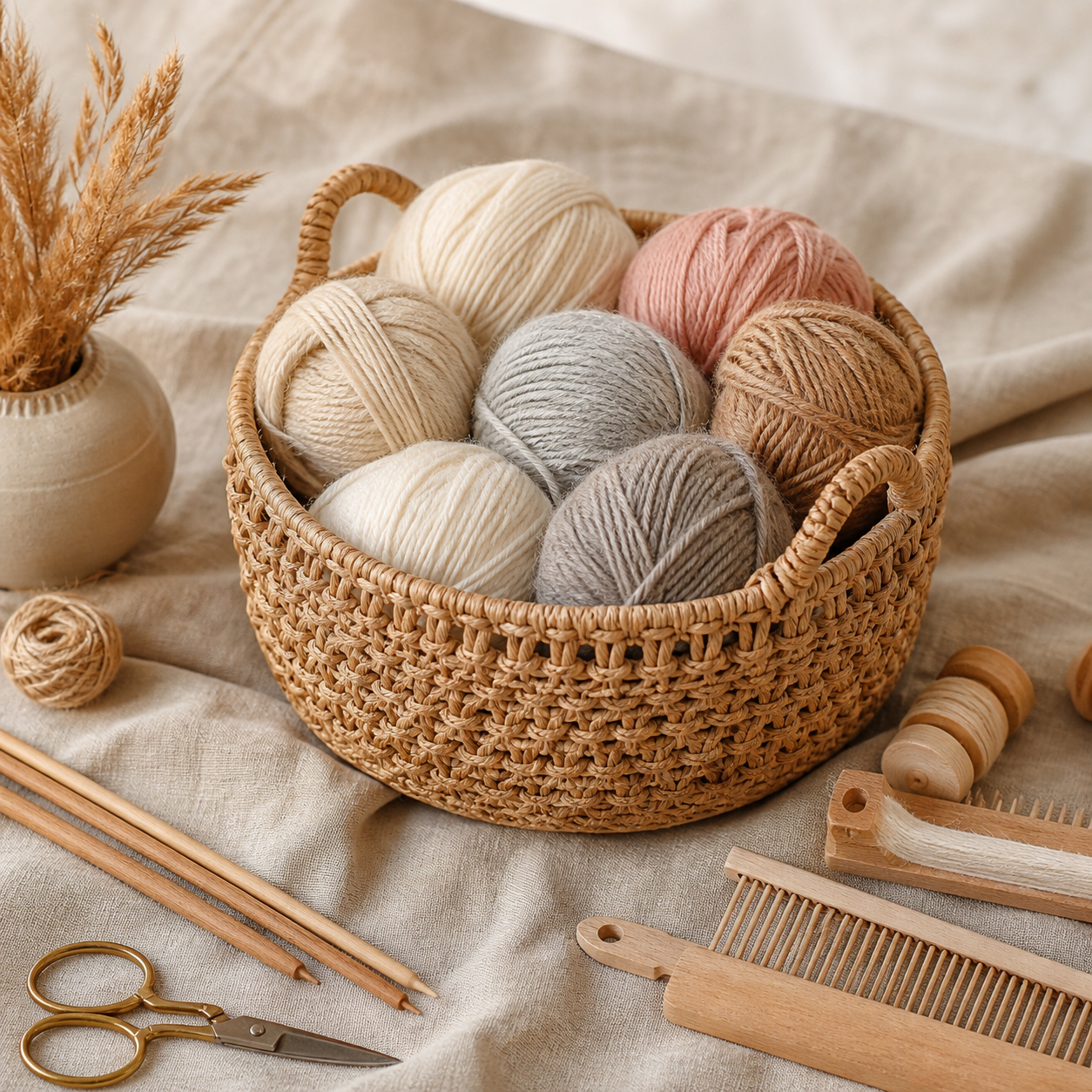
6 tips for handmade & crafts product photography
Shoot near a large window for natural, honest light
Natural window light has a quality that's difficult to replicate artificially — it's soft, directional, and varies just enough to look genuine rather than staged. Position the product within two to three feet of a large north or east-facing window for the most consistent light without direct sun creating harsh shadows.
Use natural materials as surfaces and props
Linen, raw wood, unbleached cotton, beeswax paper, and ceramic work as backgrounds because they share the same material language as handmade products. They signal that the product comes from the same world as these materials — natural, unprocessed, made with intention. Avoid anything synthetic, glossy, or mass-produced.
Show the craft evidence, not just the product
The details that prove something was handmade — slight irregularities in a stitch, glaze that moves differently across the surface, natural grain variation — are features, not flaws. Photograph them close enough that buyers can see them. These details are what buyers in the handmade category are actually paying for.
Include one process-hint element
A tool, a spool of thread, a piece of raw material, or a work-in-progress element beside the finished product tells a story that a product shot alone cannot. It says 'this was made by hand, here's how.' This dramatically increases perceived value and authenticity compared to a bare product shot.
Keep composition slightly imperfect
A perfectly centered, symmetrically styled shot looks manufactured. A composition that's slightly asymmetric — a prop placed off-center, a product resting at a gentle angle — reads as organic and genuine. In the handmade category, slight imperfection reads as authentic rather than careless or unprofessional.
Shoot details as separate images
Close-up detail shots — a stitch pattern, a glazed edge, a carved detail, a natural grain — justify the price point visually. Buyers in the handmade category often spend more time looking at detail shots than the hero product image. Include at least one detail close-up per listing shot with a macro lens or extension tubes.
Equipment and setup for handmade & crafts photography
Camera: any modern system with a 50mm macro or extension tube kit for detail shots. Lighting: a large north-facing window with a foam reflector card opposite for fill. Avoid flash — it hardens shadows and eliminates the soft, natural look the category requires. Backgrounds: linen fabric, raw wood boards, unbleached cotton, hand-thrown ceramic plates.
Common mistakes to avoid
- Studio flash with hard shadows — makes handmade products look mass-produced and clinical. Soft window light is almost always better for this entire category.
- Generic white background with no context — strips the handmade story out of the image. Natural surfaces and one or two thoughtful props are essential for authenticity.
- Hiding craft imperfections — the slight irregularities that prove something was handmade are the product's most valuable selling points. Show them, don't retouch them.
Styles that work for handmade & crafts
In noprompt.design, start with: Rustic Artisan, Natural Light Window, Warm Minimalist. Each style is pre-tuned for this product category — no settings to adjust.
Try it free — upload your handmade & crafts product now
Frequently asked questions
What's the best lighting for handmade product photos?
Soft natural window light, without direct sun. It has the honest, gentle quality that matches the handmade aesthetic. If you need to supplement, use a large white foam reflector board on the shadow side to fill, not a flash or LED panel that creates artificial-looking light. Overcast outdoor light is an excellent free alternative.
How do I make handmade products look premium without losing the artisan feel?
Use high-quality natural surfaces (linen, marble, real wood), shoot in good natural light, and keep styling minimal. Premium handmade photography is characterized by restraint — one or two thoughtful props, plenty of negative space, and sharp focus on the craft detail that justifies the price. Less is more.
What props work for handmade product photos?
Props that share the material language of the product: for ceramics, use linen and dried grasses; for knitwear, use wooden needles and natural fleece; for woodwork, use iron tools and raw stock. Props should feel like they come from the same workshop as the product — reinforcing the handmade narrative.
Do I need a macro lens for close-up craft detail shots?
A macro lens is ideal but not essential. Extension tubes with your existing lens (available for most camera systems for $20-50) give close-focusing capability that reveals craft detail. Even a kit lens at its closest focus distance, on a tripod with good light, can capture sufficient detail for listing photos.
Can I take professional handicraft product photos without a camera?
Yes — the camera is no longer the bottleneck. What sells handmade goods is visible craft, honest materials, and authenticity, not sensor size: a modern phone in natural window light, with a detail close-up of the stitching, glaze, or tool mark, captures everything a buyer needs to feel. For consistent studio-grade results across a whole catalog, AI product photography tools like noprompt.design turn an ordinary phone photo of a handmade piece into a clean, professionally lit product image without writing a single prompt.
How do I photograph handicrafts for Etsy?
Etsy buyers are shopping handmade, so honesty and warmth beat sterile studio looks. Shoot in natural window light on a surface that shares the product's material language (raw wood, linen, unbleached cotton) so your shop reads as one brand. Show the craft evidence — the stitch, the glaze variation, the tool mark — in at least one detail close-up, and keep the composition slightly imperfect; that authenticity is exactly what handmade buyers are paying for.
How do I edit handicraft product photos to look professional?
Edit for honesty and warmth, not drama. Keep the craft evidence — slight irregularities, natural grain, glaze variation — because over-smoothing is what makes handmade photos look mass-produced and fake. Lift shadows gently to preserve texture detail, warm the color temperature slightly to match natural light, and keep backgrounds consistent across the listing so the shop reads as one brand.