Product Photography for Kids & Baby
Kids and baby product photography sells to parents, not children. This distinction shapes every decision: color palette, light quality, composition, and styling all need to communicate safety, quality, and care to an adult buyer who is intensely focused on whether a product is good for their child.
The category has well-established visual conventions that exist because they work. Soft pastel backgrounds, bright airy light, simple clean compositions, and age-appropriate props consistently outperform bold colors, complex styling, or dark backgrounds. Parents see certain visual signals as markers of quality and safety: clean surfaces, soft light, rounded compositions, and gentle color palettes.
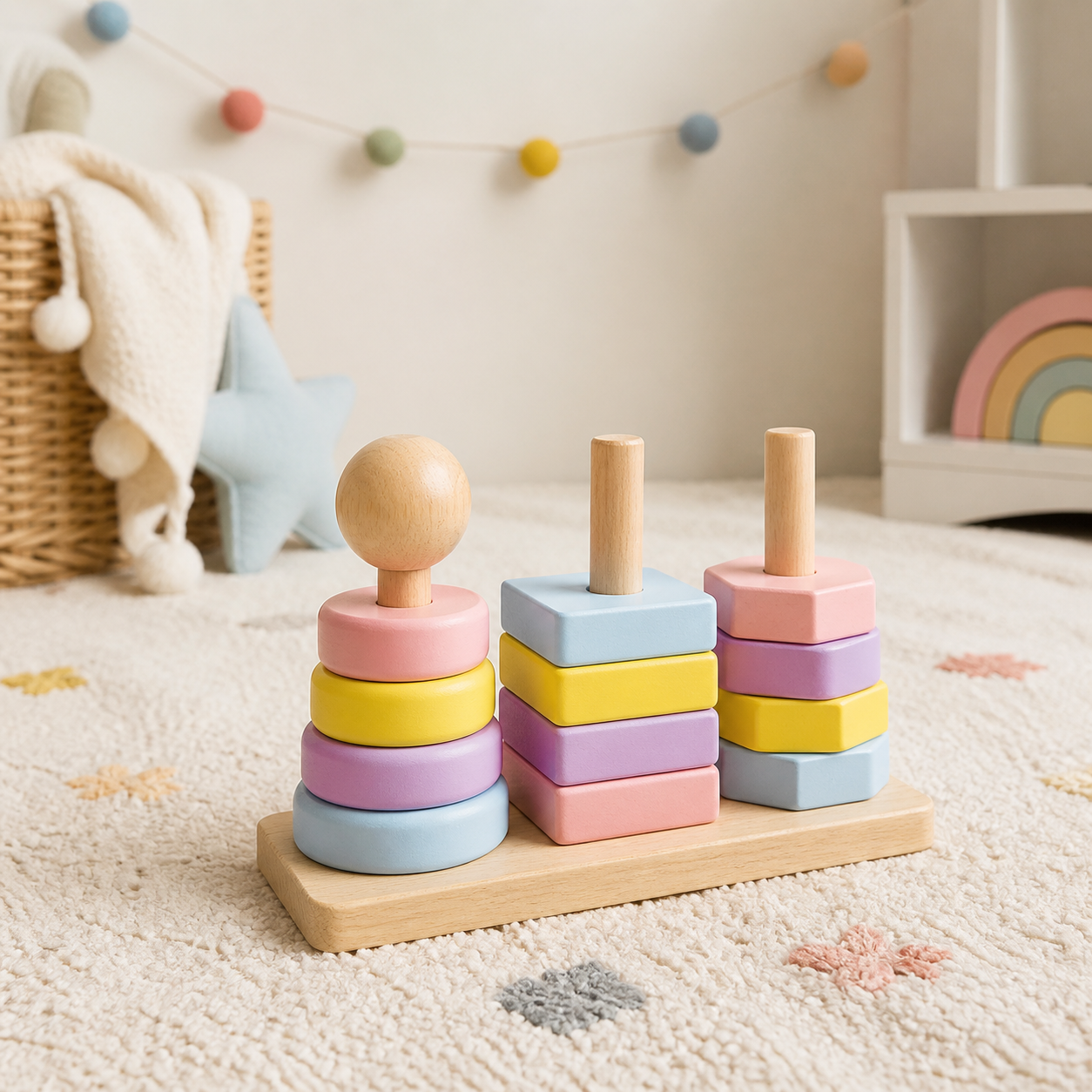
6 tips for kids & baby product photography
Use soft pastel backgrounds for trust signals
Pastel backgrounds — soft pink, sage green, sky blue, warm cream — communicate gentleness and safety. These colors are universally associated with infant and child care, and they trigger a trust response in parent buyers even before they consciously evaluate the product. White works too, but pastels add warmth that white can lack.
Bright, airy light signals cleanliness and safety
Parents associate bright, clean light with sanitized, safe environments. Dark or moody lighting in kids' product photography reads as a mismatch — parents respond to it as 'off' even if they can't articulate exactly why. Shoot with diffused natural light from a large window, or a large softbox, for the bright soft look parents trust.
Show scale relative to a child's hand or foot
Baby and toddler product sizing is critical — a toy that looks small in an adult's hand might be a choking hazard size, or a blanket that looks tiny might be the perfect newborn size. Including a child's hand, foot, or a small prop like a baby shoe gives parents the scale reference they need to buy with confidence.
Keep compositions clean and simple
Cluttered frames feel overwhelming in this category. One hero product with one or two age-appropriate props — a wooden toy, a soft animal, a folded muslin — is enough. The composition should feel as organized and thoughtful as a well-prepared nursery, not a busy toy store.
Use wooden and natural-material props for premium positioning
Natural wood toys, organic cotton textiles, and unbleached muslin communicate premium quality and safety in the kids' category. Plastic props immediately lower the perceived price point. If the product is positioned as premium or natural, every prop in the frame should reinforce that positioning.
Include a child when relevant and accessible
A laughing baby in a bouncer, a toddler playing with a toy, or a child asleep under a blanket is far more emotionally compelling than the product alone. If this isn't accessible, implied presence works well — a baby-sized impression in a blanket, small handprints, or a product arranged as if just used.
Equipment and setup for kids & baby photography
Camera: any modern camera with a 50mm prime. Lighting: large window or softbox — avoid ring lights which create flat, doll-like light. Backgrounds: pastel paper rolls, soft muslin blankets in cream or sage. Props: natural wood toys, organic cotton textiles, wooden letter blocks. A diffusion panel over the window tames direct sun effectively.
Common mistakes to avoid
- Dark or moody lighting — creates unease that parents react to unconsciously. Always use bright, airy, daylight-quality light in this category.
- Adult-scale props — a full-size mug or adult hand makes a baby product look potentially unsafe. Use child-appropriate scale references only.
- Synthetic or plastic props for premium-positioned products — they immediately signal lower quality regardless of the actual product's materials.
Styles that work for kids & baby
In noprompt.design, start with: Minimal Pastel, Clean White Studio, Natural Light Window. Each style is pre-tuned for this product category — no settings to adjust.
Try it free — upload your kids & baby product now
Frequently asked questions
What color backgrounds work best for baby products?
Soft pastels — sage green, blush pink, sky blue, warm cream — are the category standard. They signal safety and gentleness to parent buyers. White is clean and professional but slightly colder. Avoid strong saturated colors (they read as toy-aisle rather than premium) and dark backgrounds (they create a mismatch with the category's visual language).
Do I need real babies in product photos?
Not necessarily, but it helps significantly for conversion. Real babies add authenticity and emotional connection that product-only shots lack. If you don't have access to a baby model, use implied presence — a blanket with the shape of a sleeping infant, baby shoes or a soft toy — to suggest a child's world without requiring a child on set.
How do I photograph baby clothing to show fit and size?
The gold standard is a real baby wearing the clothing — it answers size, fit, and how the fabric drapes simultaneously. The alternative is a flat lay with a small prop inside the clothing to give it shape, or a ghost-mannequin treatment using a doll. Always include a size chart or scale reference for the primary size listing.
What props are safe and appropriate for baby product photography?
Natural wood toys, organic muslin and cotton textiles, wooden letter blocks, unbleached linen, and soft stuffed animals are universally appropriate. Avoid small props that could read as choking hazards in the image. Everything in the frame should look as safe and quality-made as the product itself.
Can I take professional baby product photos without a camera?
Yes — the camera is not the bottleneck in this category. What sells kids and baby products to parents is the feeling of safety and gentleness, not sensor size: a modern phone in soft, diffused window light against a clean pastel backdrop, with the product at the center of a simple composition, captures everything a parent buyer needs. Tap to meter on the product's mid-tone rather than the bright background so the product does not go dark, and keep the frame uncluttered. For consistent studio-grade results across a whole catalog, AI product photography tools like noprompt.design turn an ordinary phone photo of a baby blanket or wooden toy into a clean, professionally lit product image without writing a single prompt.
How do I photograph kids and baby products for an online store?
Parent buyers shop on trust, so lead with a clean hero shot on a consistent pastel or warm-white background, add a scale shot (a child's hand or a small shoe) because sizing and safety are the top purchase anxieties, and keep the same light and background across every SKU so the catalog reads as a considered brand. Etsy and handmade sellers should favor warmth and honesty — natural wood and cotton props, soft daylight, a consistent styling story — while Amazon listings need the product on a clean, unambiguous background with accurate color. For a Shopify or DTC store, one pastel palette and light quality across the whole line is what makes the range feel premium rather than like a reseller's shelf.
How do I edit baby product photos to look professional?
Edit for softness, cleanliness and accurate color — not for drama. Lift shadows gently so pastel backgrounds stay bright and airy without clipping to flat white, set white balance so creams, sage and blush read true rather than yellow or blue-shifted, and keep the light clean and even because a dark or moody edit reads as 'off' to parents. Remove stray hairs, dust and any distracting clutter, but keep textures intact — over-smoothing makes fabric and wood look synthetic and undermines the quality signal. Keep every image in the listing on the same background tone and exposure so the set looks professionally produced.
Related deep-dive: How to take product photos at home — a simple home setup handles most baby and kids SKUs.