Product Photography for Pet Products
Pet product photography sells to humans making purchasing decisions for another creature they love. This creates a specific emotional dynamic unlike almost any other product category: the buyer isn't evaluating whether the product will work for them — they're evaluating whether it will make their pet happy. Photographs that convey warmth, comfort, and joy drive purchase decisions far more than technical specifications do.
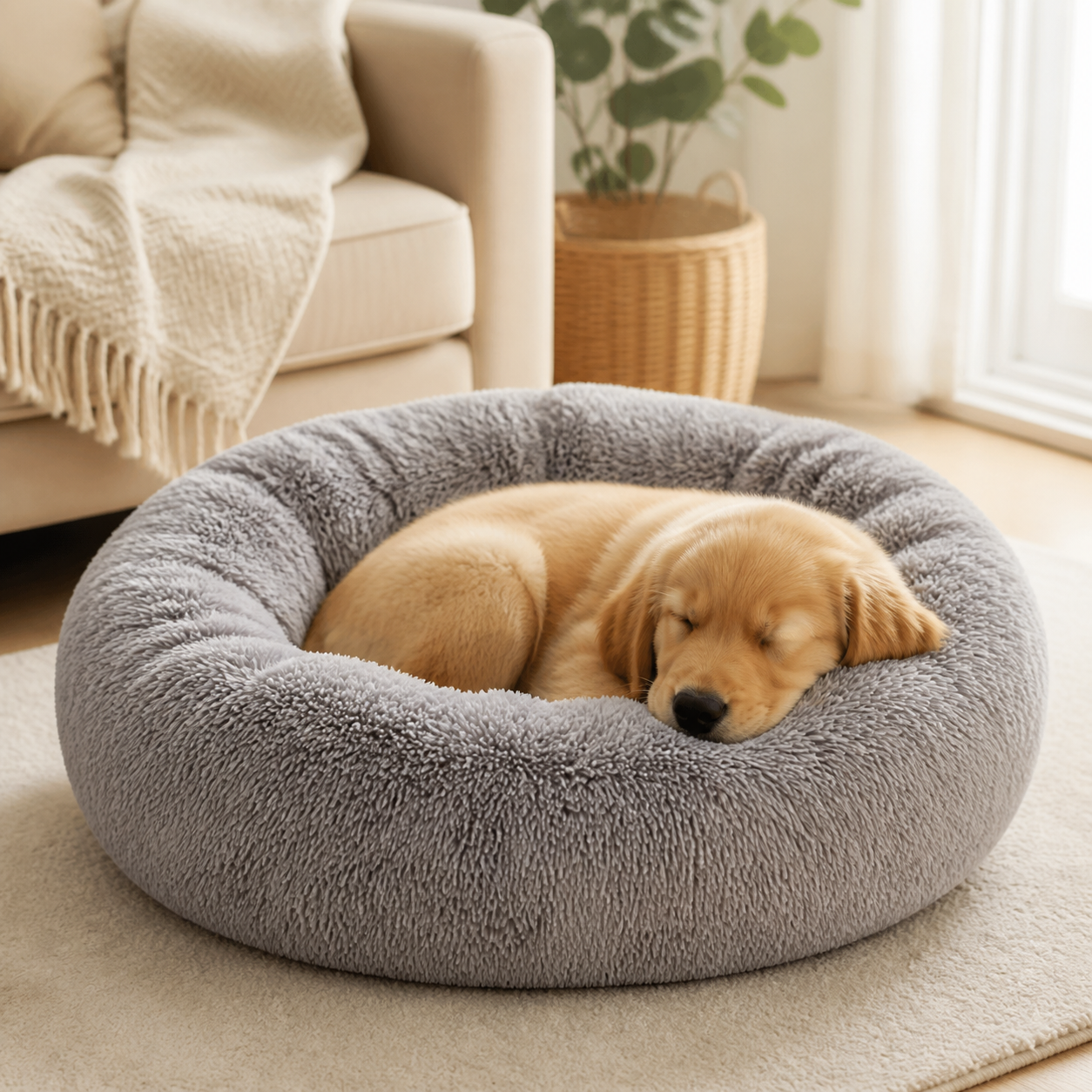
The most effective pet product photography either includes a happy animal or strongly implies one. A dog bed without a dog looks like furniture. The same bed with a sleeping dog, or with a favorite toy resting in it, becomes something a pet owner immediately imagines their own dog enjoying. Emotion is the primary purchase driver in this category.
6 tips for pet products product photography
Include a pet whenever possible
A product with a happy, relaxed animal in the frame consistently outperforms the same product photographed alone. Even a tail, a paw, or a pet's shadow implies presence and triggers the emotional response that drives purchase. If you can't photograph a real pet, a toy or prop in the frame hints at animal presence effectively.
Shoot at the animal's eye level
Most product photographers default to shooting from standing height. For pet products, get down to the pet's level — on the floor for dog beds, near the ground for cat furniture. This angle makes the product feel like part of the pet's world and creates far more compelling, emotionally engaging images.
Use warm, home-like settings
A dog bed photographed in a warm, naturally lit home environment triggers the buyer's imagination about where they'd put this product in their own home. A clean white studio background eliminates that imagination. For pet products above basic commodity price points, lifestyle context is essential for conversion.
Show scale with an animal reference
Pet product sizing is one of the most common buyer mistakes — buying a bed too small, a toy too large, a collar too loose. Including an animal with the product gives buyers immediate scale reference that no size chart can fully replace. Even a paw resting on the bed answers the size question more effectively than text.
Soft natural light keeps fur texture natural
Flash and undiffused LED lights flatten fur texture and can create an overexposed, unnatural look on light-colored pets. Natural window light or a large, diffused softbox preserves fur texture, keeps color accurate, and gives the shot the warm, genuine feel that pet product buyers respond to.
Capture real behavior, not posed stillness
The most compelling pet product images capture a genuine moment — a dog actually sleeping in the bed, a cat genuinely playing with the toy. Set the product in its natural position and let the animal interact naturally, then shoot in burst mode and select the authentic moment. Posed, stiff positions read as staged.
Equipment and setup for pet products photography
Camera: mirrorless or DSLR with continuous autofocus — animals move unpredictably. A 50-85mm lens gives good working distance. Lighting: natural window light is safest for unpredictable animals since it requires no equipment to move around them. A second battery and a large memory card — you'll shoot many frames to get the right moment.
Common mistakes to avoid
- Flash — it startles animals and creates flat, harsh light on fur. Natural light or large soft sources are far better for pet photography sessions.
- Studio-white backgrounds for lifestyle products — they strip the warmth that pet buyers respond to emotionally. Use home environments whenever possible.
- Forcing poses — animals that are clearly uncomfortable in a photo communicate stress, not joy. Let the animal dictate the authentic moment.
Styles that work for pet products
In noprompt.design, start with: Warm Neutral Lifestyle, Natural Light Window, Lifestyle Flatlay. Each style is pre-tuned for this product category — no settings to adjust.
Try it free — upload your pet products product now
Frequently asked questions
Should I include a real pet in product photos?
Yes, if at all possible. Listings with a happy, relaxed animal in the frame consistently convert better in the pet category. If you don't have access to an animal, implied presence (a paw, a sleeping impression in a bed, a toy left in frame) is the next best option. Product-only shots struggle to compete at premium price points.
What's the best lighting for pet product photography?
Natural window light, diffused by a sheer curtain or by shooting on an overcast day. It preserves fur texture, keeps color accurate, and doesn't startle animals the way flash does. For studio shooting, use the largest softbox you can fit and place it far enough from the animal that the light quality approaches natural. A reflector card fills shadow detail.
How do I get a pet to cooperate for product shots?
Don't try to force it. Work with the pet's natural behavior instead. Set up the product in its natural position and let the animal interact with it naturally. Shoot in burst mode and select the authentic moments. Treats near the product encourage sniffing and exploration. Budget thirty to sixty minutes for a session.
What background works for pet products?
Home environments — near a couch, on a hardwood floor, in a cozy corner — work best for lifestyle-positioned products. For catalog listings where consistency matters more than warmth, a soft neutral background (warm grey, cream) works better than clinical white. Avoid very dark backgrounds which compete with dark-colored animals.
Can I take professional pet product photos without a camera?
Yes — the camera is no longer the bottleneck. What sells pet products is emotion, warmth, and scale reference, not sensor size: a modern phone at 2x zoom in warm window light, shot at the animal's eye level, captures everything a buyer needs to feel. For consistent studio-grade results across a whole catalog, AI product photography tools like noprompt.design turn an ordinary phone photo of a dog bed or toy into a clean, professionally lit product image without writing a single prompt.
How do I photograph pet products for Etsy?
Etsy pet buyers are shopping for their pets, so warmth and honesty beat sterile studio looks. Shoot in natural window light at the animal's eye level in a home setting (couch, hardwood floor, cozy corner) so your shop reads as one brand. Include at least one image with the pet or an implied presence — a paw, a favorite toy in the bed — because that emotional cue is what drives pet-category purchases. Keep backgrounds consistent and let fur texture read naturally; over-edited, plastic-looking pet photos erode trust.
How do I edit pet product photos to look professional?
Edit for warmth and naturalness, not drama. Keep fur texture intact — heavy smoothing makes pet photos look fake and reads as dishonest to pet owners. Lift shadows gently to preserve detail in dark coats, boost color temperature to a warm 4000-5000K default, and keep the background warm-neutral and consistent across the listing. For marketplace catalogs, clean up distractions and busy backgrounds, but never remove the emotional cues (a pet, a toy, a cozy setting) that make the product desirable.