JPEG or PNG for product photos — which format is better for listings?
Use JPEG for product listing photos — it's smaller, loads faster, and is the format marketplaces are built around. Use PNG only when you need a transparent background or pixel-perfect text/graphics. For a normal product photo of a physical item, JPEG at quality 80-90% is the right choice: it looks identical to the original at a fraction of the file size, and Etsy, Amazon, and Shopify all accept it directly.
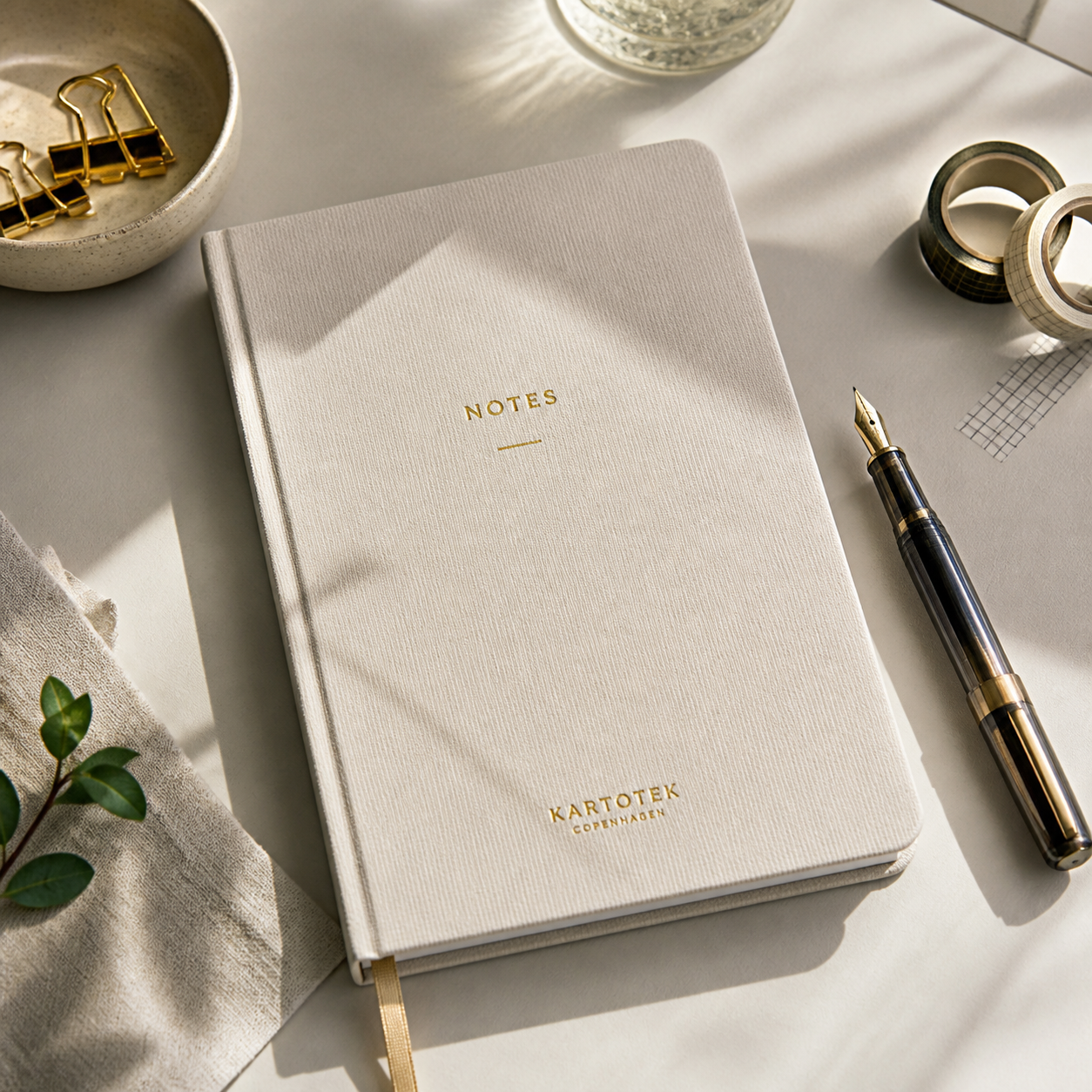
Why JPEG wins for photos
JPEG compresses photographic images aggressively while keeping them visually identical to the human eye. A 4000px product photo that is 8MB as PNG drops to under 1MB as JPEG at quality 85. Faster pages, faster galleries, faster mobile load — and marketplaces resize and re-encode anyway.
The only real cost of JPEG is generation loss when you save repeatedly. Save once from your editing tool at high quality and never re-save; the file won't degrade.
When PNG is the right call
Transparency: if you need the product cut out on a transparent background (for print, overlays, or certain marketplace tools), PNG is the standard.
Sharp text and graphics: logos, infographics, and any image with fine text stay crisper in PNG, which is lossless.
File size ceiling: if the file must stay under a strict size limit (e.g., under 1MB) and JPEG at high quality still exceeds it, PNG can't help — JPEG is always smaller for photos.
What each platform expects
Etsy: JPEG preferred; accepts PNG. Recommended max 1MB per image and 4000px on the longest side.
Amazon: JPEG preferred; accepts PNG, TIFF, and GIF. Main images must be at least 1000px (zoom requires it) and ideally 1600px+.
Shopify: JPEG recommended for product photos; PNG for transparency. Shopify auto-converts and serves WebP to visitors automatically.
Frequently asked questions
Does JPEG quality 90 vs 85 matter?
Visually, almost never — both look identical on screen. Practically, quality 85 gives roughly half the file size of quality 95 with no visible difference for product photos. For catalog images, 80-90 is the sweet spot; reserve 95+ for images that will be printed.
Can I convert PNG to JPEG for listings?
Yes, and for physical product photos you usually should — the file gets dramatically smaller with no visible quality loss. The exception: if the PNG has a transparent background you intend to keep, or fine text that must stay razor sharp.
Do marketplace listings actually penalize PNG files?
Not by format name, but they effectively penalize what PNG causes: larger files, slower loads, and, in some cases, rejection of non-JPEG main images on Amazon's strict requirements. JPEG is the safe default everywhere.